
Exercise Physiology in New South Wales & Queensland
CAHC’s Exercise Physiologists are ESSA-accredited Accredited Exercise Physiologists (AEPs) — Allied Health clinicians who design and deliver clinical exercise programs for people living with chronic disease, disability, injury, and complex health conditions. Our team works with patients across Greater Sydney & Queensland to support long-term health, functional independence, and return-to-activity goals — in the clinic, through home visits, and via Hydrotherapy at select locations. Vietnamese, Mandarin, Cantonese, and Korean-speaking Exercise Physiologists are available across the CAHC network, making our services accessible to diverse communities across Greater Sydney & Queensland.
Conditions Our Exercise Physiologists Commonly Support
Exercise Physiology is commonly used to support management of a wide range of chronic and complex health conditions. The following conditions represent the primary referral reasons for Exercise Physiology under Medicare CDM, NDIS, DVA, and WorkCover — none require you to be sporty, gym-experienced, or highly active to benefit.
Metabolic & Cardiovascular Conditions
- Type 2 diabetes and pre-diabetes: Exercise is considered a frontline strategy in the management of blood glucose levels. Our Exercise Physiologists will assess your current capacity and design a safe, evidence-informed program to support your management plan. Please speak with your GP or specialist about your medical management, including any medication adjustments.
- Cardiovascular disease and heart failure: Cardiac rehabilitation through supervised, appropriately-progressed exercise is a well-recognised component of recovery and long-term management for many cardiac conditions.
- Obesity and metabolic syndrome: Clinical exercise programs targeting aerobic capacity and functional strength, designed in conjunction with your broader healthcare team.
- Hypertension (high blood pressure) management support: Supervised exercise as part of a multi-modal approach; always in conjunction with GP-managed medication and monitoring.
- High cholesterol (dyslipidaemia): Exercise as a supported component of lifestyle management, alongside dietary and medical management.
Mental Health & Neurological Conditions
- Depression and anxiety: Exercise is recommended as part of a multi-modal approach to managing depression and anxiety. Our Exercise Physiologists can design a supervised program to support your broader mental health management plan. Please speak with your GP about your overall mental health management and whether an EP referral is appropriate for you.
- Parkinson’s disease: Targeted programs supporting motor function, balance, and physical capacity, coordinated with your neurologist and other treating practitioners.
- Stroke rehabilitation: Functional conditioning and physical capacity rebuilding as part of a multi-disciplinary recovery team.
- Multiple sclerosis (MS): Supervised, fatigue-aware exercise programs designed to support functional capacity and quality of life.
- Acquired brain injury (ABI): Exercise-based rehabilitation supporting physical and functional recovery, coordinated with your broader ABI team.
Musculoskeletal & Chronic Pain
- Chronic back and neck pain: Long-term exercise-based conditioning as part of a pain management approach, often alongside Physiotherapy.
- Osteoarthritis and rheumatoid arthritis: Joint-loading and strength programs designed to manage symptoms and improve daily function.
- Osteoporosis and bone density management: Weight-bearing and resistance exercise programs to support bone health, in conjunction with your GP and specialist.
- Fibromyalgia: Graded exercise programs supporting symptom management and physical capacity, always paced to individual tolerance.
- Chronic pain conditions: In conjunction with a multi-disciplinary pain management team, including Physiotherapy, Psychology, and medical management.
Cancer & Respiratory
- Cancer rehabilitation: Exercise during and after treatment is increasingly recommended as part of supportive cancer care. Our Exercise Physiologists deliver programs tailored to your capacity and treatment stage. Programs are designed in close coordination with your oncology team; please speak with your oncologist before commencing.
- Chronic Obstructive Pulmonary Disease (COPD): Pulmonary rehabilitation-style exercise programs supporting functional capacity and quality of life.
- Asthma management support: Exercise capacity programs designed around individual respiratory needs, in conjunction with your GP and respiratory specialist.
Workplace & Injury Rehabilitation
- WorkCover and return-to-work conditioning (SIRA-eligible): Functional capacity restoration and graduated conditioning to support a safe return to work.
- CTP (motor vehicle accident) rehabilitation: Exercise Physiology is available under CTP claims within the 52-week statutory benefits period.
- Post-surgical functional conditioning: Exercise-based restoration of strength and function following surgery, complementing the hands-on Physiotherapy rehabilitation phase.
- Falls prevention and balance: Targeted strength and balance programs for aged care clients and NDIS participants; particularly relevant under the Support at Home program.
NDIS & Disability
Capacity Building — Improved Daily Living: Exercise Physiology sessions funded under your NDIS plan to build physical capacity, functional independence, and participation. Eligibility depends on your individual NDIS plan goals — speak with your support coordinator or contact us to confirm.
Functional capacity and conditioning for NDIS participants: Goal-directed programs designed alongside your support coordinator and NDIS plan.
Supported exercise for people with physical or intellectual disability: Adapted, clinician-supervised programs in the clinic, at home, or in Hydrotherapy. Eligibility depends on your individual NDIS plan goals.
Exercise Physiology vs Physiotherapy — Which One Do You Need?
Both disciplines are available across the CAHC network, and many patients benefit from both at different stages of their care journey. Here is a practical guide to the distinction.
| Exercise Physiologist (AEP) | Physiotherapist | |
| Primary focus | Clinical exercise prescription for chronic disease, disability, long-term health conditions, and functional conditioning | Assessment and rehabilitation of injuries, post-surgical recovery, and conditions affecting movement and function |
| Credential | ESSA-accredited Accredited Exercise Physiologist (AEP) — four-year university degree |
AHPRA-registered — four-year university degree |
| Commonly referred for | Type 2 diabetes, heart disease, NDIS Capacity Building programs, mental health support through exercise, cancer rehabilitation, return-to-work conditioning, falls prevention, COPD, and long-term musculoskeletal conditioning | Acute injury management, post-operative rehabilitation, neurological conditions, sports injuries, and hands-on workplace injury rehabilitation |
| Session format | Typically 45–60 minutes; may be individual or group; delivered in-clinic, at home, or via Hydrotherapy | — |
| More information | Exercise Physiology | Physiotherapy |
Yes — and often patients benefit from both disciplines at different stages of their care. At CAHC, Physiotherapists and Exercise Physiologists work within the same network and routinely refer to each other. A common journey: a patient sees a Physiotherapist for acute injury management or early post-surgical rehabilitation, then transitions to an Exercise Physiologist for long-term conditioning, chronic disease management, or return-to-work programming.
Hydrotherapy
Hydrotherapy is exercise therapy conducted in a heated pool, using the properties of water — buoyancy, resistance, and warmth — to support movement for patients who find land-based exercise difficult or painful. The reduced load through joints in water makes Hydrotherapy particularly well-suited for patients with arthritis, post-surgical pain, neurological conditions, aged care clients, and NDIS participants with physical disabilities. Hydrotherapy sessions at CAHC are delivered under the clinical supervision of an ESSA-accredited AEP. Availability varies by clinic — please contact your nearest CAHC location or our booking team to confirm.
Fees & Funding
Exercise Physiology at CAHC is accessible across every major funding stream. Here is a plain-English guide to each pathway.
Medicare Chronic Disease Management (CDM) Plan
Exercise Physiologists are eligible Allied Health providers under the Medicare Chronic Disease Management plan. Patients with a chronic condition lasting six months or more can access up to 5 individual Allied Health sessions per calendar year — or up to 8 group sessions — with a GP referral. Your GP initiates the CDM plan and writes a referral letter; bring this to your first appointment at CAHC. For more information on CDM eligibility, visit Services Australia. Rebate amounts are subject to change, confirm current rates with your GP or the clinic.
NDIS (National Disability Insurance Scheme)
Exercise Physiology services are funded under the NDIS Capacity Building — Improved Daily Living budget category. CAHC Exercise Physiologists can deliver NDIS-funded sessions in the clinic, via home visits, or through Hydrotherapy at select locations. Eligibility depends on your individual NDIS plan goals — speak with your support coordinator or contact us to confirm. Learn more about NDIS services at CAHC.
DVA (Department of Veterans’ Affairs)
Gold Card holders: Exercise Physiology is covered for all clinically necessary treatment, with no out-of-pocket cost for eligible services.
White Card holders: Covered for accepted service-related conditions.
Access requires a D904 referral form, available from your GP or treating specialist. Rebate amounts are subject to change — confirm current rates with your GP or the clinic.
WorkCover NSW / SIRA
CAHC Exercise Physiologists are SIRA-eligible providers for workplace injury rehabilitation and return-to-work conditioning. Our Free Insurance Claims Advisory handles all insurer correspondence and paperwork — there is no administrative burden on the patient or referring GP. A complimentary functional assessment is offered for MVA and WorkCover patients to assess current capacity and establish a treatment baseline. More about Workers Compensation at CAHC.
CTP (Motor Vehicle Accidents)
Exercise Physiology rehabilitation is available under CTP claims within the 52-week statutory benefits period following a NSW motor vehicle accident. CAHC’s Free Insurance Claims Advisory manages all insurer correspondence. Multi-disciplinary rehabilitation, combining Physiotherapy, Exercise Physiology, Psychology, and OT, is available under a single CTP claim. More about CTP at CAHC.
Private Health Insurance
Exercise Physiology is covered by most major private health funds under Extras/Ancillary cover. HICAPS on-the-spot claiming is available at all CAHC clinics. Annual limits and per-visit caps vary by fund and level of cover — we recommend checking with your fund before your appointment.
Self-Funded / Out-of-Pocket
No GP referral is required for private Exercise Physiology appointments at CAHC. Please contact your nearest clinic for current fee information.
What to Expect — Your First Exercise Physiology Appointment
Step 1 — Before You Arrive
Bring your referral letter (required for Medicare CDM, DVA, WorkCover, and CTP funded appointments), your Medicare card, and your private health fund card if applicable. Wear comfortable clothing and footwear appropriate for exercise. If you use a walking frame, crutches, or other assistive devices, please bring them. If you are a diabetic patient who monitors blood glucose, bring your glucose monitor — your AEP may wish to check your levels before and after exercise.
Step 2 — Health and Exercise History
Your AEP will take a detailed clinical history: your health conditions and how long you have had them, your current medications (please speak with your GP about any medication adjustments related to exercise), your current activity levels and exercise history, your goals, and any precautions or contraindications to exercise.
Step 3 — Functional Assessment
Your AEP will conduct a clinical assessment of your current functional capacity. Depending on your condition, this may include strength testing, cardiovascular fitness measures, balance and mobility assessment, condition-specific screening (such as blood glucose for diabetic patients), or a structured functional capacity evaluation for WorkCover or NDIS purposes.
Step 4 — Exercise Prescription and Goal-Setting
Based on your assessment findings and goals, your AEP will design a personalised exercise program. They will explain each exercise, why it is recommended for your situation, and how to perform it safely. You will discuss expected frequency of appointments and set short- and long-term goals together.
Step 5 — Session Begins, and Home Program Is Issued
Most first appointments include a period of supervised exercise in addition to the assessment. You will leave with a take-home exercise program to practice between sessions. Follow-up appointment frequency will be agreed upon based on your goals, condition, and funding stream.
Our Exercise Physiology Team
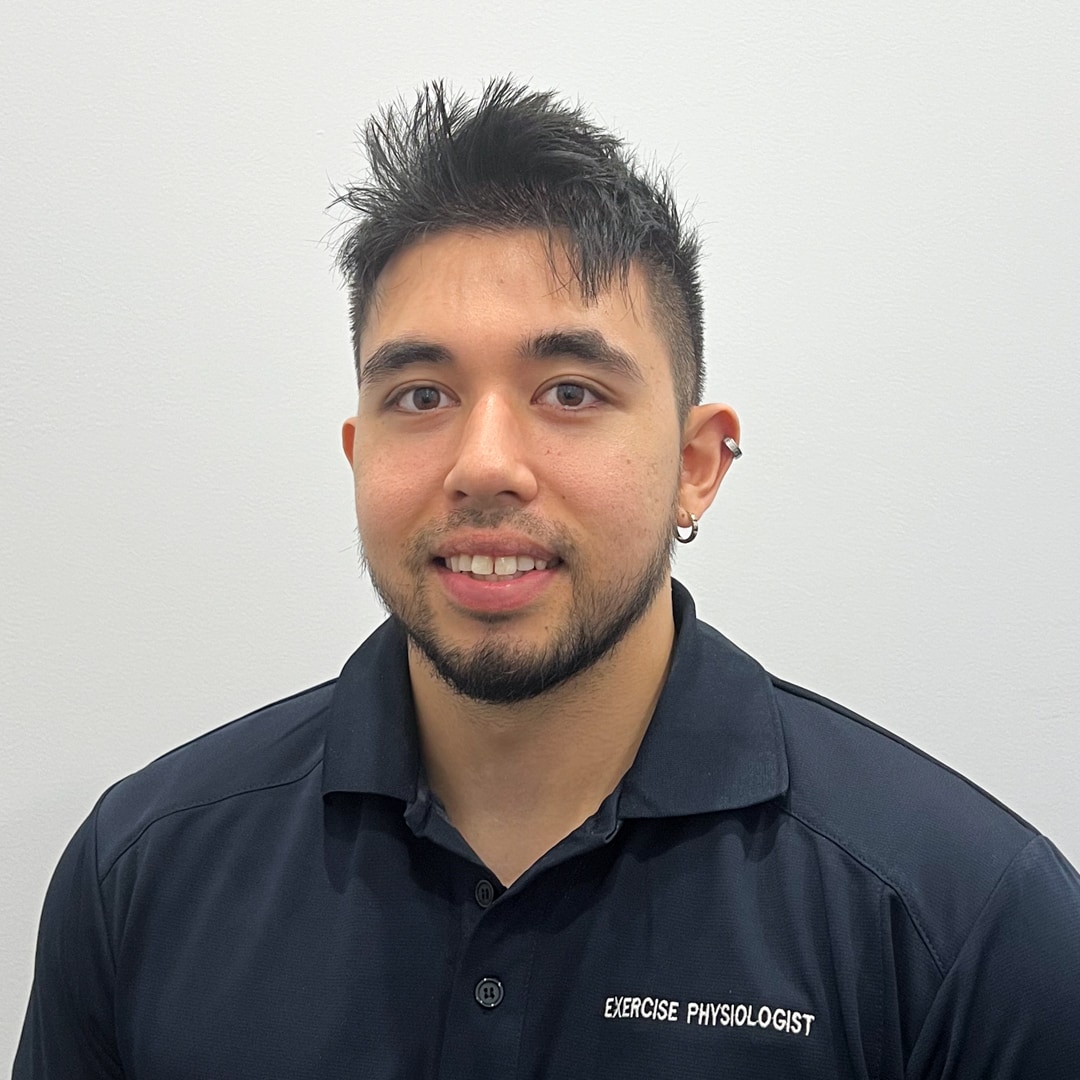
All CAHC Exercise Physiologists are ESSA-accredited Accredited Exercise Physiologists (AEPs), holding a four-year university degree and meeting ESSA’s ongoing professional development requirements. Vietnamese, Mandarin, Cantonese, and Korean-speaking AEPs are available across the CAHC network — a particularly important resource for NDIS participants and CDM patients in Sydney and Queensland’s diverse CALD communities who prefer to communicate in their first language. Find your nearest CAHC Exercise Physiology clinic.


For Medical Practitioners & Referrers
Exercise Physiology is one of the most versatile Allied Health disciplines for GP referral. Under a Chronic Disease Management plan, you can refer eligible patients for up to 5 individual or 8 group Exercise Physiology sessions per calendar year — covering diabetes, heart disease, mental health conditions, musculoskeletal chronic pain, cancer rehabilitation, COPD, and many other conditions meeting the CDM chronic disease threshold.
For WorkCover and CTP patients, CAHC’s Free Insurance Claims Advisory handles all insurer paperwork and correspondence. You do not need to manage claim liaison — our team takes care of it. A complimentary functional assessment is available for MVA and WorkCover patients, providing an objective baseline for treatment planning and insurer reporting.
CAHC Exercise Physiologists work within the same multi-disciplinary network as our Physiotherapists, Occupational Therapists, and Psychologists. A single referral source can support multi-discipline care delivery — whether that is a patient transitioning from post-op Physiotherapy to EP-led conditioning, or a Psychology patient whose management plan includes supervised exercise.
GP Referral Hub
Frequently Asked Questions (FAQs)
Have a question we haven’t covered? Call 1800 00 CAHC or email info@completeahc.com.au and our team will be happy to help.
Exercise Physiology is an ESSA-accredited Allied Health profession dedicated to the design and delivery of clinical exercise interventions for people with chronic disease, disability, injury, and a broad range of health conditions. At CAHC, every Exercise Physiologist holds a four-year university degree in Exercise Physiology or Exercise Science and is credentialled by ESSA (Exercise & Sports Science Australia) as an Accredited Exercise Physiologist (AEP) — the recognised professional standard for Medicare, NDIS, and DVA-funded services. ESSA is the peak professional body for exercise science in Australia.
An important distinction: an Accredited Exercise Physiologist is an Allied Health clinician — not a Personal Trainer. AEPs are qualified to assess, prescribe, and supervise clinical exercise programs for patients with complex medical needs, including those funded under Medicare, NDIS, DVA, and WorkCover. Personal Trainers are not trained or credentialled to work with clinical populations under these funding streams.
At CAHC, our Exercise Physiologists deliver sessions in a range of settings to suit your situation: in-clinic appointments at any of our 24 locations across NSW and QLD, home visits for patients who cannot attend a clinic, Hydrotherapy sessions in a heated pool at select clinics, and group sessions that offer a cost-effective option for eligible patients. Regardless of where your sessions take place, every program is designed and overseen by an ESSA-accredited AEP.
An Accredited Exercise Physiologist (AEP) is an ESSA-accredited Allied Health clinician who specialises in designing and delivering clinical exercise programs for people with chronic disease, disability, injury, and complex health conditions. This is quite different from a Personal Trainer — AEPs hold a four-year university degree and meet ESSA’s accreditation standards, which qualify them to work with clinical populations under Medicare, NDIS, DVA, and WorkCover.
Common conditions referred to Exercise Physiologists include Type 2 diabetes, heart disease, NDIS Capacity Building goals, depression and anxiety (as part of a multi-modal approach), cancer rehabilitation, return-to-work conditioning, COPD, and chronic musculoskeletal pain. Your AEP will conduct a clinical assessment, set goals with you, design a personalised exercise program, and supervise your sessions in the clinic, at home, or in Hydrotherapy where available.
No — for private, self-funded appointments, you can book directly without a GP referral. However, a GP referral is required to access Medicare funding under the Chronic Disease Management (CDM) plan; your GP must initiate the CDM plan and provide a referral letter to CAHC.
WorkCover and CTP-funded appointments require insurer approval, and DVA-funded appointments require a D904 referral form available from your GP or specialist. If you are an NDIS participant, your support coordinator can assist with confirming your funding pathway. For private appointments, simply contact your nearest CAHC clinic or book online.
For self-funded appointments, please contact your nearest CAHC clinic for current fee information — rates may vary by location and session type. Under the Medicare CDM plan, a rebate applies to eligible sessions; rebate amounts are subject to change — confirm current rates with your GP or the clinic.
A gap payment may apply, as Exercise Physiology is not bulk-billed at CAHC. For private health fund members, rebates vary by fund and level of cover, HICAPS on-the-spot claiming is available at all CAHC clinics. DVA Gold Card holders face no out-of-pocket cost for clinically necessary treatment. Approved WorkCover and CTP patients have no upfront cost. CAHC’s Free Insurance Claims Advisory manages all insurer correspondence. Rebate amounts are subject to change — confirm current rates with your GP or the clinic.
Yes — under the Medicare Chronic Disease Management (CDM) plan, patients with a chronic condition lasting six months or more can access up to 5 individual Allied Health sessions per calendar year, or up to 8 group sessions, with a GP referral to an eligible provider such as CAHC. Your GP initiates the CDM plan and provides a referral letter. Please note this is not a bulk-billing arrangement, a gap payment may apply, and the rebate does not cover the full session fee. Rebate amounts are subject to change, confirm current rates with your GP or the clinic.
Yes — Exercise Physiology is funded under the Capacity Building — Improved Daily Living budget category of your NDIS plan. CAHC Exercise Physiologists can deliver NDIS-funded sessions in the clinic, via home visits, or through Hydrotherapy at select locations. Eligibility depends on your individual NDIS plan goals — speak with your support coordinator or contact us to confirm. For more information about NDIS services across all nine CAHC disciplines, visit our NDIS services page.
Both are Allied Health clinicians with four-year university degrees, and both are available at CAHC. An Accredited Exercise Physiologist (AEP) focuses primarily on clinical exercise prescription for chronic disease, disability, long-term health conditions, and functional conditioning — their credential is ESSA accreditation. A Physiotherapist focuses on the assessment and rehabilitation of injuries, post-surgical recovery, and conditions affecting movement and function — their credential is AHPRA registration.
In practice, many CAHC patients benefit from both disciplines: a Physiotherapist may manage the acute or post-surgical phase, while an Exercise Physiologist supports long-term conditioning and chronic disease management. Our team can help identify the most appropriate pathway for your patient or situation.
This is one of the most common questions we receive. An Accredited Exercise Physiologist holds a four-year university degree in Exercise Physiology or Exercise Science, plus ESSA accreditation — they are Allied Health clinicians qualified and credentialled to work with clinical populations under Medicare, NDIS, DVA, and WorkCover.
A Personal Trainer is not required to hold a university degree, is not clinically credentialled, and is not qualified to work with clinical populations under any of these funding streams. If you have a chronic disease, disability, or complex health condition, ESSA-accredited Exercise Physiology, not Personal Training, is the appropriate Allied Health pathway.
Yes — CAHC offers Hydrotherapy at select clinic locations across the network. Hydrotherapy involves exercise therapy conducted in a heated pool, using buoyancy and water resistance to support movement for patients who find land-based exercise difficult or painful. It is particularly beneficial for arthritis sufferers, post-surgical patients, people with neurological conditions, aged care clients, and NDIS participants with physical disabilities. All Hydrotherapy sessions are supervised by an ESSA-accredited AEP. Availability varies by clinic — please contact your nearest CAHC location or our booking team to confirm Hydrotherapy availability before booking.
Exercise is recommended as part of a multi-modal approach to managing depression and anxiety, and ESSA-accredited Exercise Physiologists are well-placed to design and supervise structured exercise programs as part of a patient’s broader mental health management plan.
It is important to speak with your GP about your overall mental health management, including whether a Mental Health Treatment Plan (MHTP) for Psychology, medical management, or other supports are appropriate for your situation and whether an Exercise Physiology referral is a suitable addition. Under the Medicare CDM plan, eligible patients may access Exercise Physiology sessions; rebate amounts are subject to change — confirm current rates with your GP or the clinic.
Session numbers depend on your individual condition, goals, and funding stream. Your AEP will discuss an expected program and review frequency at your first appointment. Under the Medicare CDM plan, up to 5 individual sessions per year are available for eligible patients (rebate amounts are subject to change — confirm current rates with your GP or the clinic).
NDIS participants may have a higher session allocation depending on their plan goals (eligibility depends on your individual NDIS plan goals). WorkCover and CTP session numbers are typically determined in consultation with the insurer and treating GP. For private patients, your AEP will recommend a program based on your clinical needs and goals.
Yes — home visits are available for NDIS participants, aged care clients, and other patients who are unable to attend a clinic due to mobility, transportation, or health constraints. Home-visit Exercise Physiology sessions are delivered by ESSA-accredited AEPs and can include a personalised exercise program, supervised practice, and a home exercise plan. For information about CAHC’s broader home visit and mobile services, visit our Home Visits page. Contact your nearest CAHC clinic or our booking team to discuss home visit availability and confirm your eligibility.
Can Exercise Physiology help with WorkCover or CTP rehabilitation?
Yes — CAHC Exercise Physiologists are SIRA-eligible providers for WorkCover NSW rehabilitation and return-to-work conditioning. Exercise Physiology is also available for CTP (motor vehicle accident) rehabilitation within the 52-week statutory benefits period. CAHC’s Free Insurance Claims Advisory handles all insurer paperwork and correspondence — patients and GPs do not need to manage claim liaison. A complimentary functional assessment is available for MVA and WorkCover patients. For more information, visit our Workers Compensation page or our CTP page.
Our Exercise Physiology Clinics
Auburn
Complete Allied Health Care:
Unit 2, 26 Mary Street,
Auburn NSW 2144
- Monday: 9:00am to 6:00pm
- Tuesday: 9:00am to 6:00pm
- Wednesday: 9:00am to 5:00pm
- Thursday: 9:00am to 6:00pm
- Friday: 9:00am to 6:00pm
Beaudesert
(located inside Beaudesert Family Practice)
- Tuesday: 8:00am – 5:00pm
- Wednesday: 8:00am – 5:00pm
- Thursday: 8:00am – 5:00pm
- Friday: 8:00am – 5:00pm
Blacktown
Complete Allied Health Care:
Level 1, 45-51 Main Street,
Blacktown NSW 2148
(Upstairs Central Hotel Blacktown)
- Monday: 8:00am to 5:00pm
- Tuesday: 9:00am to 5:00pm
- Wednesday: 8:00am to 5:00pm
- Thursday: 9:00am to 5:00pm
- Friday: 9:00am to 6:00pm
Bradbury
JT Physio:
Shop 14A/100 The Parkway,
Bradbury NSW 2560
(Located inside First Care Medical Centre)
- Wednesday: 9:00am to 5:00pm
- Friday: 9:00am to 5:00pm
Brookvale
Complete Allied Health Care:
Suite 113, 20 Dale Street,
Brookvale NSW 2100
- Monday: 8:30am to 5:00pm
- Tuesday: 8:30am to 5:00pm
- Wednesday: 8:30am to 5:00pm
- Thursday: 8:30am to 4:30pm
- Friday: 8:30am to 5:00pm
Campbelltown
JT Physio:
Shop 6/266 Queen Street,
Campbelltown NSW 2560
- Monday: 8:00am to 6:00pm
- Tuesday: 8:00am to 7:00pm
- Wednesday: 8:00am to 7:00pm
- Thursday: 8:00am to 6:00pm
- Friday: 8:00am to 6:00pm
- Saturday: 8:00am to 1:00pm
Campsie
Complete Allied Health Care:
Shop 7, 281-287 Beamish Street,
Campsie NSW 2194
(Located inside Campsie Mall)
- Monday: 9:00am to 6:00pm
- Tuesday: 9:00am to 6:00pm
- Wednesday: 9:00am to 6:00pm
- Thursday: 9:00am to 6:00pm
- Friday: 9:00am to 6:00pm
Canley Heights
Complete Allied Health Care:
Suite 3, Level 1, 136 Torrens Street,
Canley Heights NSW 2166
- Monday: 8:00am to 6:00pm
- Tuesday: 8:00am to 6:00pm
- Wednesday: 8:00am to 6:00pm
- Thursday: 8:00am to 6:00pm
- Friday: 8:00am to 6:00pm
- Saturday: 8:00am to 1:00pm
Chatswood
Complete Allied Health Care:
G02, Tower A, 799 Pacific Highway, Chatswood NSW 2067
(Corner of Thomas Street)
- Monday: 9:00am to 5:00pm
- Tuesday: 9:00am to 5:00pm
- Wednesday: 9:00am to 5:00pm
- Thursday: 9:00am to 5:00pm
- Friday: 9:00am to 5:00pm
Chester Hill
Complete Allied Health Care:
2/90 Waldron Road, Chester Hill NSW 2162
- Monday: 9:00am to 5:00pm
- Tuesday: 9:00am to 5:30pm
- Wednesday: 9:00am to 5:00pm
- Thursday: 9:00am to 5:30pm
- Friday: 9:00am to 5:00pm
Gregory Hills
Complete Allied Health Care:
Level 2, Suite 205/39-47 Lasso Road,
Gregory Hills NSW 2557
- Monday: 8:00am to 5:00pm
- Tuesday: 8:00am to 5:00pm
- Wednesday: 8:00am to 5:00pm
- Thursday: 8:00am to 5:00pm
Hurstville
Complete Allied Health Care:
58/23-27 Macmahon Street,
Hurstville NSW 2220
- Monday: 9:00am to 6:00pm
- Tuesday: 8:30am to 6:00pm
- Wednesday: 9:00am to 6:00pm
- Thursday: 8:30am to 6:00pm
- Friday: 9:00am to 6:00pm
Ingleburn
Complete Allied Health Care:
Level 2, Suite 3, 2-6 Oxford Road,
Ingleburn NSW 2565
- Monday: 9:00am to 6:00pm
- Tuesday: 8:00am to 6:00pm
- Wednesday: 9:00am to 6:00pm
- Thursday: 8:00am to 6:00pm
- Friday: 9:00am to 6:00pm
- Saturday: 9:00am to 1:00pm
Jordan Springs
Complete Allied Health Care:
Shop 7/56-66 Lakeside Parade,
Jordan Springs NSW 2747
- Monday: 9:00am to 5:00pm
- Tuesday: 9:00am to 6:00pm
- Wednesday: 9:00am to 5:00pm
- Thursday: 9:00am to 5:00pm
- Friday: 8:00am to 5:00pm
- Saturday: 9:00am to 1:00pm
Logan Village
Complete Allied Health Care:
Suite 2/131-133 Albert Street,
Logan Village QLD 4207
- Monday: 8:00am to 6:00pm
- Tuesday: 8:00am to 6:00pm
- Wednesday: 8:00am to 5:00pm
- Thursday: 8:00am to 6:00pm
- Friday: 8:00am to 5:00pm
- Saturday: 8:00am to 1:00pm
Panania
Complete Allied Health Care:
70 Anderson Avenue, Panania NSW 2213
- Monday: 8:00am to 5:00pm
- Wednesday: 9:00am to 5:00pm
- Friday: 9:00am to 5:00pm
Oxenford
Complete Allied Health Care:
Shop 9, 100-106 Old Pacific Highway (Oxenford Square Shopping Center), Oxenford QLD 4210
- Monday: 9:00am to 6:00pm
- Tuesday: 8:30am to 5:30pm
- Wednesday: 9:00am to 5:00pm
- Thursday: 8:30am to 5:30pm
- Friday: 9:00am to 5:00pm
- Saturday: 8:00am to 1:00pm (Fortnightly)
Upper Mount Gravatt
Complete Allied Health Care:
5/1888 Logan Road,
Upper Mount Gravatt QLD 4122
- Monday: 8:00am to 6:00pm
- Tuesday: 8:00am to 4:30pm
- Wednesday: 8:00am to 4:30pm
- Thursday: 8:00am to 6:00pm
- Friday: 8:00am to 4:30pm
- Saturday: 8:00am to 1:00pm (fortnightly)
Warrawong
- Monday: 8:30am to 5:00pm
- Tuesday: 8:30am to 6:00pm
- Wednesday: 8:30am to 5:00pm
- Thursday: 8:30am to 6:00pm
- Friday: 8:30am to 5:00pm
Wentworthville
Complete Allied Health Care:
Level 3, Suite 301, 73-75 Dunmore Street, Wentworthville NSW 2145
- Monday: 9:00am to 6:00pm
- Tuesday: 8:00am to 6:00pm
- Wednesday: 8:00am to 6:00pm
- Thursday: 8:00am to 5:00pm
- Friday: 8:00am to 6:00pm
- Saturday: 9:00am to 1:00pm
Wetherill Park
Complete Allied Health Care:
4 Price Street, Wetherill Park NSW 2164
- Monday: 9:00am to 6:00pm
- Tuesday: 9:00am to 6:00pm
- Wednesday: 9:00am to 5:00pm
- Thursday: 9:00am to 6:00pm
- Friday: 9:00am to 5:00pm
Related Services
Our Exercise Physiologists work alongside the full CAHC multi-disciplinary team. You may also be interested in:
Physiotherapy → Injury rehabilitation, post-surgical recovery, and acute musculoskeletal conditions
NDIS Services → Comprehensive Allied Health under your NDIS plan, including EP, OT, Speech Pathology, and more
Home Visits → Exercise Physiology and Allied Health delivered to your home or aged care facility
Workers Compensation → SIRA-registered WorkCover rehabilitation with Free Insurance Claims Advisory
CTP Physiotherapy → Motor vehicle accident rehabilitation under your CTP claim
Ready to get started?
CAHC’s Exercise Physiologists are available across Greater Sydney and Queensland. Medicare CDM, NDIS, DVA, WorkCover, and CTP are all accepted, with no additional paperwork required from you.