Can I use Medicare to help pay for my physiotherapy appointments? This is one of the most common questions we hear from patients across our clinics.
Navigating the healthcare system can feel overwhelming, especially when you are managing a long-term injury or health condition. The short answer is yes: Medicare does provide support for physiotherapy through a specific pathway known as a Chronic Disease Management (CDM) plan.
This article clears up the confusion around eligibility, rebates, and exactly how you can start your recovery with our physiotherapy team.
What Is a Chronic Disease Management (CDM) Plan?
A Chronic Disease Management (CDM) plan is a GP-initiated framework designed to provide coordinated care for patients with chronic medical conditions. Medicare defines a “chronic” condition as one that has been present, or is likely to be present, for at least six months. This includes common musculoskeletal issues such as arthritis, osteoporosis, and chronic back pain, as well as complex conditions like diabetes, heart disease, and COPD.
You might still hear people refer to this as an Enhanced Primary Care (EPC) plan, which was its former name, but CDM is the current term used by GPs and Medicare. Essentially, your GP assesses your specific needs and creates this plan to allow you to access a team of healthcare professionals.
How Many Physio Sessions Does Medicare Cover Under a CDM Plan?
Under a CDM plan, Medicare provides a rebate for up to five allied health sessions per calendar year. It’s important to know that these five sessions represent the total allocation across all allied health disciplines combined — for example, you could use all five for physiotherapy, or split them between a physiotherapist, an exercise physiologist, and a podiatrist.
As of 1 July 2026, the Medicare rebate for physiotherapy under MBS item 10960 is $63.40 per session. This is indexed and subject to change (it was last increased from $61.80), so it’s worth confirming the current rate with your GP or at your first appointment with us. Because this rebate rarely covers the full cost of a private consultation, a gap payment will apply at most clinics, including ours.
How to Access Medicare-Funded Physiotherapy at CAHC (Step-by-Step)
If you are ready to use your Medicare benefits at Complete Allied Health Care (CAHC), follow these five simple steps to get started.
Step 1 — Book an appointment with your GP Schedule a dedicated consultation with your regular doctor to discuss your chronic condition. Tell them you are interested in a CDM plan so they can assess if you meet the clinical criteria for a referral.
Step 2 — Receive your CDM plan and allied health referral If eligible, your GP will prepare the care plan and provide a formal referral letter for physiotherapy services. This letter must specify the number of sessions allocated to physiotherapy.
Step 3 — Bring your referral to CAHC Once you have your paperwork, simply bring the GP’s referral letter and your current Medicare card to your first appointment. We cannot process the Medicare rebate without the valid referral from your doctor.
Step 4 — Book your physiotherapy appointment at CAHC CAHC accepts CDM referrals at all our locations across Greater Sydney & Queensland. You can book your initial assessment online or by calling your local clinic directly to find a time that suits your schedule.
Step 5 — Claim your Medicare rebate Our admin team makes the process seamless by processing your Medicare rebate on the day of your visit via HICAPS or the Medicare portal. You only pay the remaining gap amount after the rebate is applied.
What to Bring to Your First Appointment
To help your physiotherapist provide the most effective care, please bring the following items to your initial session:
- Your GP’s formal CDM referral letter
- Your current Medicare card
- Any relevant imaging such as X-rays, CT scans, or MRI reports
- A list of your current medications
- Your private health insurance card (if you have extras cover)
What’s Covered and What Will I Pay Out-of-Pocket?
It is vital to understand how the gap payment works to avoid unexpected costs. The Medicare rebate is a government contribution toward your health costs, but it is rarely the full fee for a comprehensive physiotherapy session.
The gap is the difference between what Medicare pays and what the clinic charges for the appointment. To confirm current gap amounts at your nearest CAHC clinic, contact us directly or ask at the time of booking.
Additionally, a strict Medicare rule states that you cannot claim a private health insurance extra and a Medicare rebate for the same service on the same day — MBS Online is explicit about this. You must choose which one to use for each of your five allocated sessions. Most patients use their Medicare sessions first and then switch to their private health insurance once the CDM allocation is exhausted.
Information for GPs — Referring a Patient Under a CDM Plan
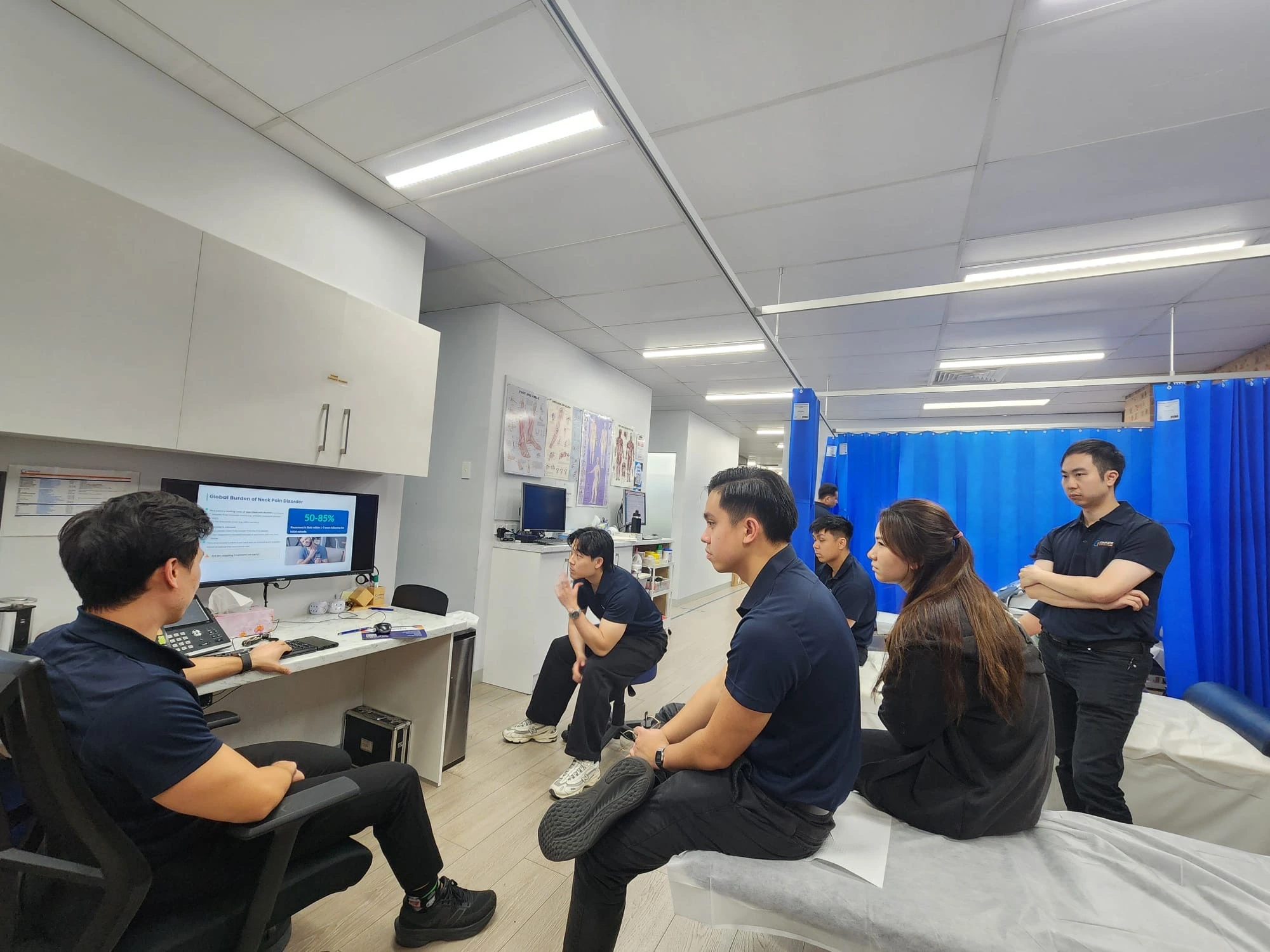
The Complete Allied Health Care team values our role as a collaborative partner in your patient’s care team. To ensure your patient can access their Medicare benefits without delay, we require a standard allied health referral letter that clearly states the patient’s name, their diagnosed chronic condition, and the number of sessions you have approved for physiotherapy.
Our administrative team is highly experienced in managing CDM and EPC paperwork. We understand the compliance requirements and can liaise directly with your practice manager if further clarification is needed on a referral. We are committed to providing timely feedback on patient progress to ensure your clinical records remain up to date. GPs or practice staff can submit a referral via our secure online form or by calling the relevant clinic location directly.
Frequently Asked Questions
Do I need a new referral for every physiotherapy visit?
No, one referral from your GP can cover multiple sessions, provided they are all part of the same CDM plan. According to Services Australia’s MBS billing rules, if you don’t use all your referred sessions within the calendar year you were referred, the unused sessions can carry over and still be used in the following year — you don’t need a brand new GP management plan just because the calendar year has changed.
Can I use a CDM plan if I also have private health insurance?
Yes, you can have both, but you cannot use them at the same time for the same appointment. Most patients find it most cost-effective to use their five Medicare-rebated sessions first and then use their private health extras for any subsequent appointments.
What if I need more than 5 sessions?
Medicare only provides rebates for a maximum of five sessions per calendar year (across all allied health disciplines combined). If your recovery requires more intensive treatment, you can continue your sessions as a private patient using your private health insurance or paying the full fee.
Does a CDM plan cover home visits or mobile physiotherapy?
In many cases, yes. If your chronic condition makes it difficult to travel to a clinic, speak with your GP about including mobile services in your plan. Our team can often accommodate home-based rehabilitation, though it’s worth checking whether any additional travel fee applies beyond the standard Medicare rebate.
How do I know if I’m eligible for a CDM plan?
Eligibility is always determined by your GP based on whether your condition is considered chronic (lasting 6+ months) and requires a multidisciplinary approach. If you are struggling with a long-term physical issue, it is always worth starting a conversation with your doctor.